Programming as a Thinking Skill
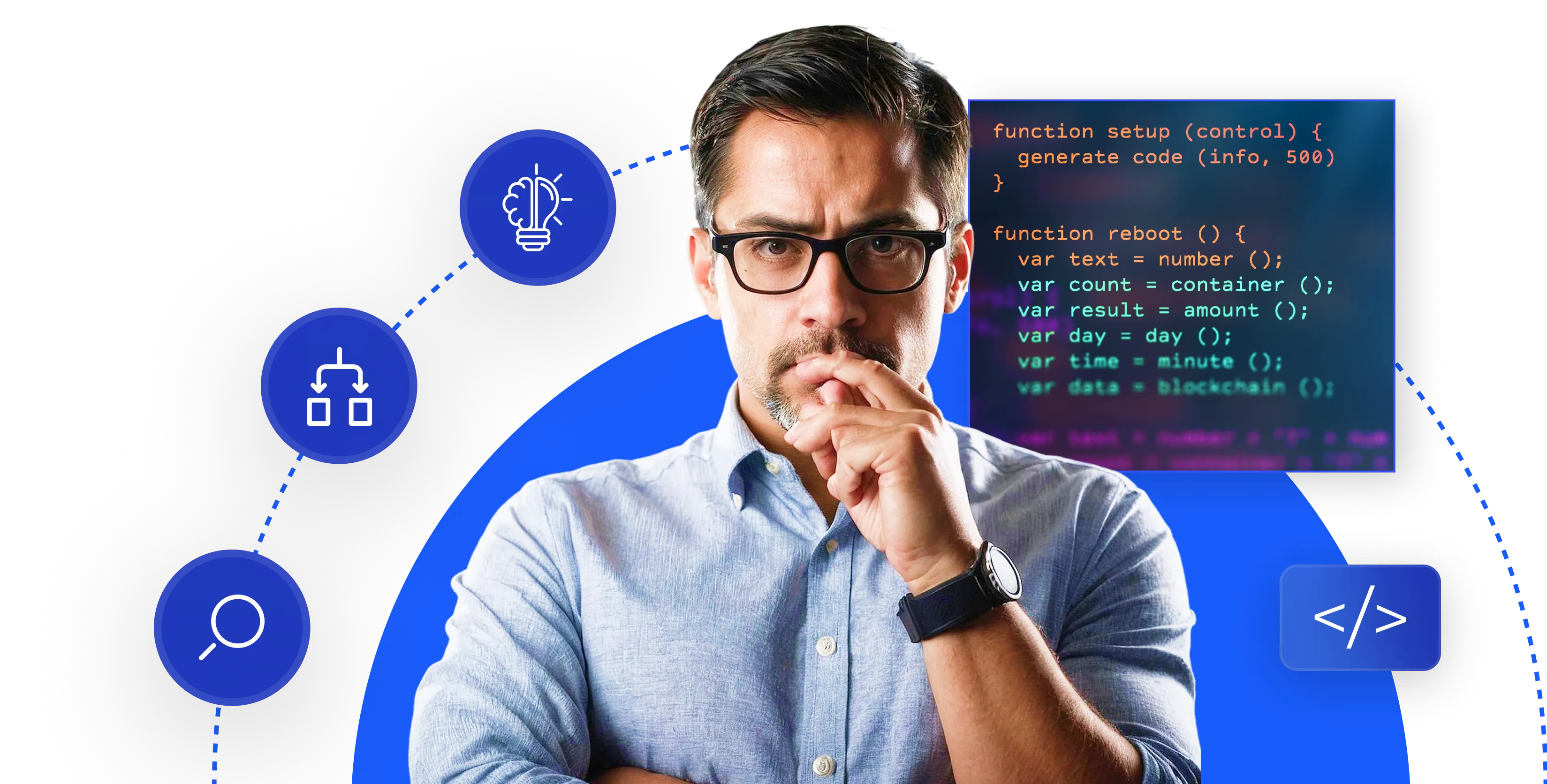
Every year brings new JavaScript frameworks, new "must-learn" languages, new AI code generators, and new heated debates about which tool will "kill programming". Communities fill with panic posts, hot takes, and lists of "technologies you need in 2026". People jump from trend to trend, trying to stay relevant.
This constant chase is exhausting and largely counterproductive. The real value of programming lies not in mastering the syntax of the month — it lies in training a very specific, very powerful way of thinking.
Programming Forces Precision of Thought
A computer does exactly what you tell it to do — nothing more, nothing less. There is no room for vague intentions, implied meaning, or "you know what I mean". Every step must be made explicit and correct. This requirement trains an unusual level of mental precision that very few other activities demand so consistently.
The Core Principle
Programming is disciplined, unambiguous thinking made visible. You train decomposition, abstraction, precision, systematic debugging of reasoning, and tolerance for delayed feedback. Everything else is tooling and syntax — temporary implementation details.
What Actually Stays Constant
Languages, frameworks, and libraries come and go. But the mental patterns you build while programming remain useful for decades — in business, science, law, design, everyday decisions, and obviously in technology itself.
Decomposition — Breaking Problems Apart
Almost every serious programming task starts with the same question: "How do I split this big, scary problem into small, solvable pieces?" This habit transfers directly to real life: strategic planning, project management, writing complex documents, even personal goal setting.
Debugging as Systematic Truth-Seeking
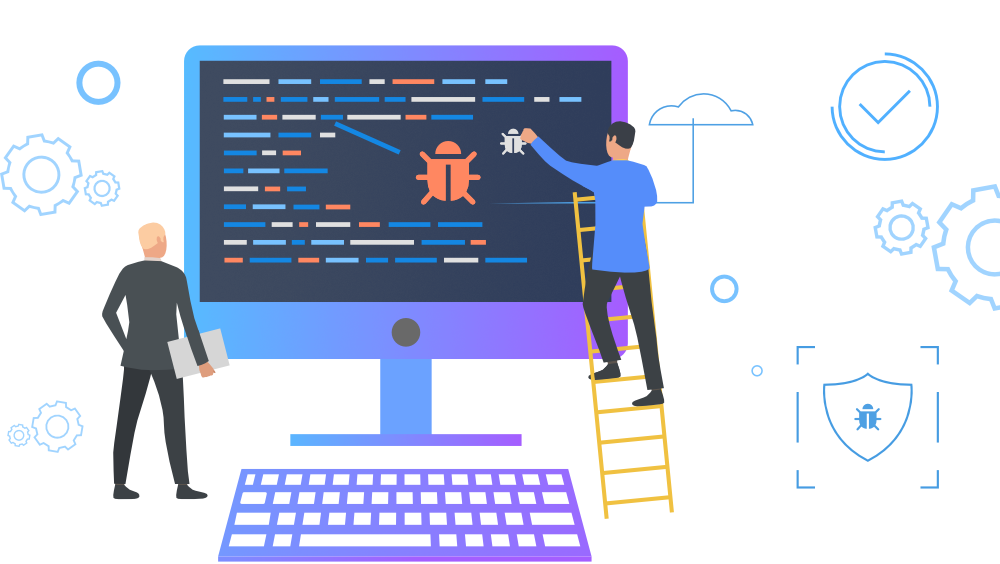
When the program does not work, there are no excuses — only evidence. You form hypotheses, design minimal tests, observe results, narrow the search area. This is scientific thinking in its purest, fastest feedback form. Most people never train this level of disciplined cause–effect analysis.
Abstraction and Naming as Communication
Good code hides complexity behind clear names and clean boundaries. Learning to choose what to name a variable or a function is learning to choose what concepts to make visible. This skill dramatically improves clarity of thought and communication in any domain.
The Sustainable Way to Learn Programming
Instead of chasing the next shiny framework, focus on building mental tools that outlive any technology stack. This takes longer at the beginning but compounds powerfully over years.
Master Algorithmic & Logical Thinking
Learn to think in sequences, conditions, loops, recursion, data transformations. These patterns appear everywhere — from business processes to legal reasoning to cooking recipes.
Train Debugging Discipline
Treat every bug as a puzzle. Never randomly change things hoping it will work. Form hypotheses. Test minimally. This habit alone makes you unusually good at finding root causes in any complex system.
Build Mental Models of Computation
Understand memory, scope, references, execution flow, state changes. These models help you reason about systems even when you are not writing code — databases, finances, organizations, personal habits.
When your thinking becomes precise and structured, you evaluate new frameworks, tools and even job offers much faster. You immediately see whether something adds real conceptual power or is just syntactic sugar.
Why "Quick Hack" Tutorials Don't Build Real Skill
Following 17-minute "build X with React + Tailwind + AI" videos gives the illusion of progress. But they train copying, not thinking. Real growth happens when you are forced to explain why something works, why it breaks, and how to fix it systematically.
What About New Technologies Then?
You don't ignore AI, new languages or paradigms. But you evaluate them through the lens of thinking improvement: Does this tool help me express ideas more clearly? Does it remove accidental complexity or add essential complexity? Does it train better reasoning?
The Long-Term Advantage
People who learn programming as a thinking discipline become noticeably clearer, more patient, more systematic thinkers — even in completely non-technical situations. They write better emails, structure better arguments, plan better projects, spot inconsistencies faster.
The goal is not to become the best React developer of 2026. The goal is to become a person whose thinking is reliably sharp, structured, and debuggable — regardless of what tools appear next.
Getting Started
If you're new to programming, resist the urge to immediately jump into the "hottest" stack. Start with fundamentals. Learn how computation actually works. Practice writing small, clear programs without frameworks. Force yourself to explain every line. Break things on purpose and fix them methodically.
This path is slower at first. But it builds something far more valuable than another certificate — it builds a disciplined, precise, powerful mind.
Programming is not primarily about code. It is about forcing your thinking to become rigorous, unambiguous, and testable. Master that, and every new technology becomes just another tool — not a new religion.
Learn More About Programming
Want to learn programming as a thinking skill from the ground up? Check out our comprehensive Python Core Logic course that focuses on reasoning, structure, and mental models — not framework chasing.
View Python Course